Created By-Liu Gotfredsen
When dealing with cataract surgery, you could wonder about the distinctions between traditional and laser strategies. Each approach has its very own collection of benefits and downsides, affecting your recovery and general experience. Recognizing these options is critical for making an informed choice about your eye health. So, what should you consider when choosing the right strategy for your needs? Allow's discover the information even more.
Summary of Typical Cataract Surgical Treatment
Typical cataract surgery, commonly described as phacoemulsification, is a well-established treatment that properly brings back vision by eliminating the cloudy lens of the eye.
Throughout this surgery, your doctor will certainly develop a little laceration in your cornea, permitting accessibility to the lens. Using ultrasound waves, they'll separate the over cast lens right into tiny fragments, which are after that delicately suctioned out.
Once the old lens is removed, a man-made intraocular lens (IOL) is implanted to restore clear vision. The surgical procedure generally takes less than an hour and is carried out under local anesthetic, lessening discomfort.
Later, you'll likely discover renovations in your vision as your eye heals. You'll require to adhere to post-operative treatment guidelines to guarantee optimum recovery.
Benefits and Downsides of Laser-Assisted Cataract Surgical Treatment
While several patients benefit from typical methods, laser-assisted cataract surgery offers distinct advantages and some downsides worth thinking about.
One significant advantage is accuracy; the laser produces exact cuts, which can result in much faster healing and minimized threat of complications. You might also experience much less discomfort throughout the treatment. Furthermore, the laser can break up the cataract much more efficiently, calling for much less power from the specialist.
However, it is necessary to consider these advantages versus prospective downsides. Laser-assisted surgical procedure generally costs greater than typical techniques, and not all insurance intends cover it.
Moreover, the technology might not be readily available in every facility, which might restrict your choices. Inevitably, you'll wish to review these variables with your eye treatment expert to identify the best approach for you.
Healing and Aftercare for Cataract Surgical Procedure
After cataract surgical procedure, whether it was carried out making use of standard approaches or laser help, your healing procedure is necessary for achieving the very best possible vision end results.
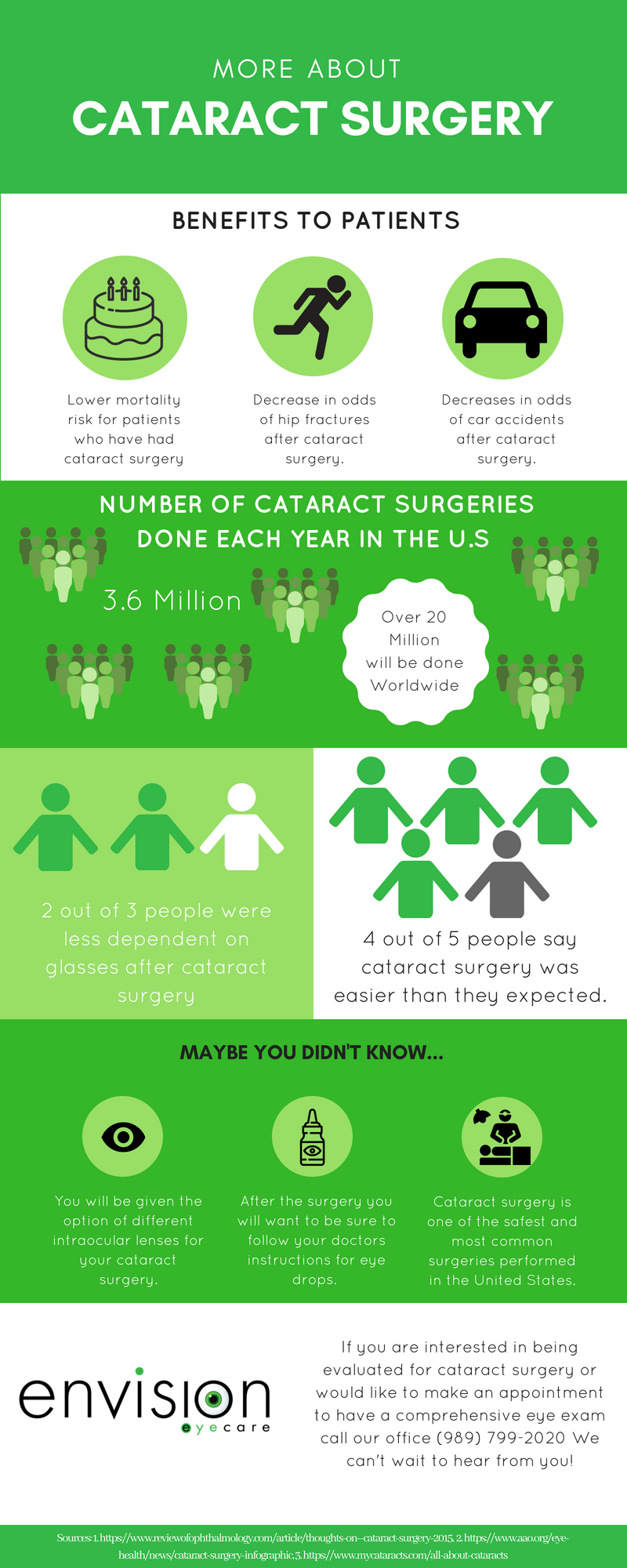
You need to relax for the first day and stay clear of difficult activities. Maintain your eyes shielded with sunglasses when outdoors, especially in bright light.
It's vital to follow your cosmetic surgeon's instructions pertaining to eye decreases and drugs; these help prevent infection and reduce inflammation.
https://www.businessdailyafrica.com/bd/lifestyle/health-fitness/-no-cut-no-touch-laser-eye-surgery-kenya-3309764 might experience mild pain or blurry vision originally, however this should boost with time.
Participate in https://docs.google.com/document/d/1gxT6BioHv-rWZmYooe-fmwVg1YRsdMBBsjvr-6H6PcQ/edit?usp=sharing follow-up consultations to check your healing progress. If you see sudden pain, boosted redness, or vision adjustments, call your doctor instantly.
Following these standards will support a smooth recovery and enhance your overall results.
Conclusion
Finally, picking in between traditional and laser-assisted cataract surgical procedure depends on your details needs and circumstances. While traditional approaches are reputable and effective, laser strategies offer improved precision and potentially quicker recovery. It's vital to discuss your alternatives with your eye treatment professional to identify which technique fits you ideal. Ultimately, both techniques intend to restore your vision and enhance your quality of life, so you can return to enjoying your daily tasks.